I met her on a Wednesday while I was sitting in the city centre, and she happened to be at the table next to mine. She was on her own, but there was something very settled about her, the kind of presence that doesn’t look like it’s waiting for company. When she caught me looking over, she smiled, and I asked if the seat beside her was taken.
“No, love,” she said, “go ahead.”
We started talking the way strangers usually do, about the place, the weather, and how busy the city always feels, and then, without either of us really trying, the conversation slowly opened up into something more personal.
She told me she was 84 and that she comes into the city centre every day. I asked her what she usually does, and she said she goes shopping, has brunch, and just enjoys being out. Some days she does it with her best friend, and other days she comes on her own, and she said she’s perfectly happy either way now. There was no sadness in how she said it, just a quiet confidence, as though she had made peace with her own company.
She mentioned that she used to be a hairdresser and had run her own shop for thirty years. When I reacted with surprise, she laughed and said she couldn’t quite believe it herself sometimes, thinking back on how many people passed through that little shop over the years. You could tell she was proud of that part of her life, not in a showy way, but in the way people are proud of something they built and stayed committed to.
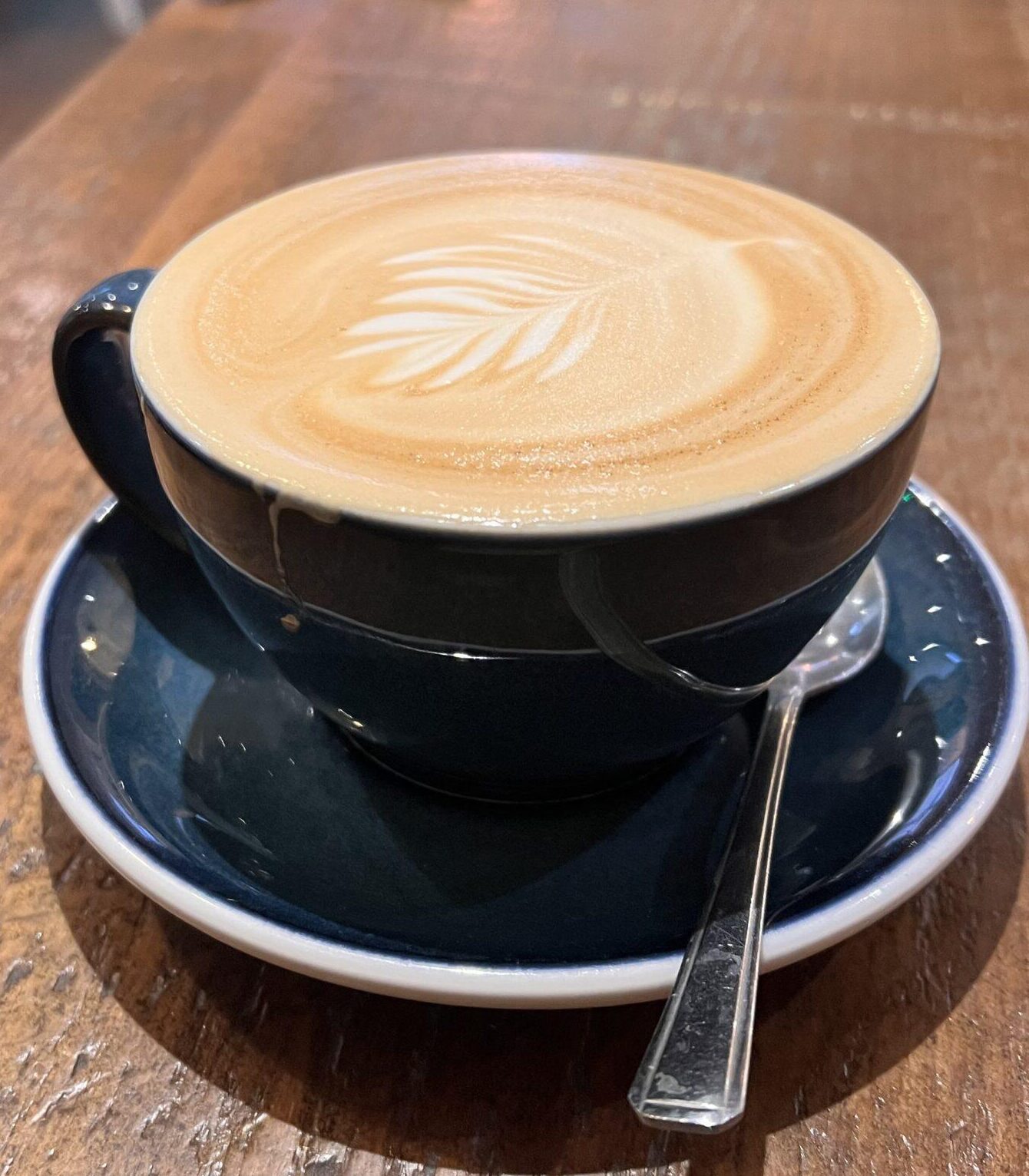
At some point, I asked her what she was drinking.
“Coffee with milk,” she said.
Then she leaned in slightly and added, “My milk is Bailey’s.”
I laughed, and she laughed too, and she told me she has it that way every day and sees no reason to stop now.
She told me her husband died nine years ago. She didn’t rush past it, but she didn’t dwell on it either. She said it took her a long time to find her way back to enjoying life again, but that, gradually, she did. Listening to her, it felt less like a story about loss and more like one about endurance.
She has a son and four grandchildren, and she sees them every other weekend. She spoke about them with obvious affection and said they’re the reason she keeps her house clean and tidy, laughing as she admitted she probably wouldn’t put in the same effort otherwise. It was clear they give her something to look forward to, something that gently anchors her weeks.
Before we parted, I asked her how she feels now, at 84.
She didn’t pause to think about it. She said she feels truly happy and content, and that she’s grateful for each day she wakes up and gets to do simple things like come into town, meet friends, have her coffee, and feel part of the world.
When we said goodbye, I walked away thinking about how happiness doesn’t always arrive when we expect it to, and how some people find their fullest sense of peace later in life, once they’ve stopped trying to meet anyone else’s expectations. Her life now isn’t loud or busy, but it’s hers, and she seems to be living it with a quiet gratitude that feels deeply earned.